Fabric Deep DiveTextile Glossary
2026年1月25日
Pima Cotton 101: 10 Essential Q&As (Supima® vs. Pima Breakdown)
Superior + Pima = Supima®
For textile professionals, brand buyers, and quality control teams, understanding Pima Cotton is key to selecting high-end, durable fabrics. Often confused with Supima® and ordinary cotton, Pima stands out as a premium long-staple cotton—here’s a clear, fact-checked Q&A guide to cover all the basics. First, a quick note: Superior + Pima = Supima® — but these two terms are not interchangeable (we’ll dive into that below!).
Q1: What is Pima Cotton, and how does it differ from regular cotton?
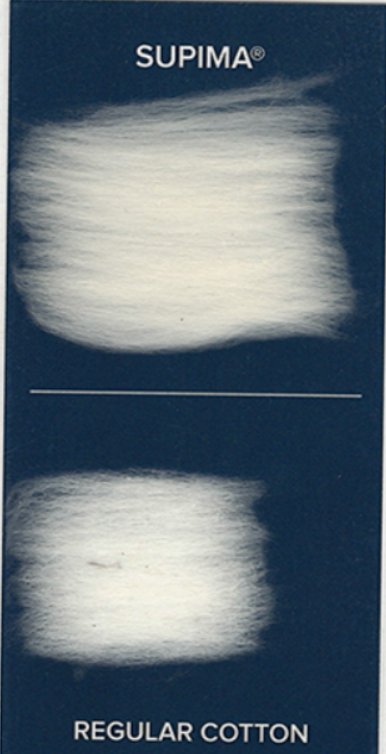
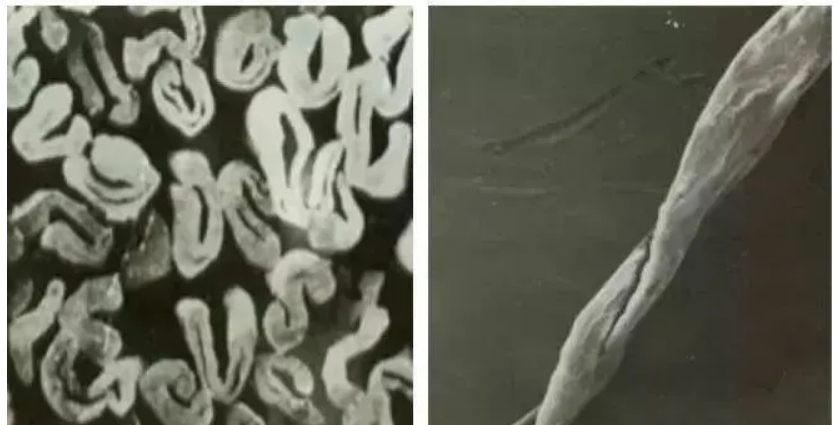
A1: Pima Cotton is a type of extra-long staple (ELS) cotton (also known as Sea Island cotton), renowned for its long fibers, high strength, and luxurious luster. The core differences from regular cotton are striking:
- Fiber Length: Pima ≥ 35mm (regular cotton: ~25–32mm)
- Strength: Pima is 45% stronger than regular cotton, making fabrics more durable and resistant to wear/washing
- Handfeel: Silky-soft texture, smoother than regular cotton, with minimal friction against the skin
- Durability: Less prone to pilling and shrinkage after repeated washes
Q2: Is only U.S.-grown long-staple cotton called Pima Cotton?
A2: No—this is a common misconception. Pima Cotton is a category of extra-long staple cotton varieties, grown in multiple regions worldwide, including Peru, Egypt, Israel, and the United States.However, Supima® is a registered trademark of the Supima Association (U.S. Pima Cotton Growers). Only Pima Cotton grown in the United States, and meeting the association’s strict quality standards (fiber length, strength, uniformity), can bear the Supima® label.Image tip: Add a map showing global Pima Cotton growing regions, highlighting the U.S. for Supima®.
Q3: How to identify if a fabric truly uses Pima Cotton?
A3: Three reliable methods to verify authenticity:
- Check Certification: For U.S.-grown Pima, verify Supima® authorization (ask for the brand’s Supima® license or check the Supima® website). For other origins, request a third-party fiber test report.
- Test Performance: Third-party lab testing should confirm: Fiber length ≥ 35mm and strength ≥ 5.0g/d (grams per denier) to meet Pima Cotton standards.
- Feel the Fabric: Authentic Pima Cotton fabrics are exceptionally smooth, soft (like silk), and retain their texture without pilling after multiple washes.
Q4: What are the main applications of Pima Cotton?
A4: Due to its premium properties, Pima Cotton is used in high-end products where softness, durability, and comfort are priorities:
- Apparel: Luxury t-shirts, dress shirts, underwear, loungewear, and activewear
- Home Textiles: High-thread-count bed sheets, pillowcases, towels, and duvets
- Specialty Uses: Baby clothing (hypoallergenic and gentle on sensitive skin) and high-end upholstery
Q5: Why is Pima Cotton more expensive than regular cotton?
A5: The premium price tag stems from three key factors:
- Low Yield: Pima Cotton requires specific growing conditions (warm climate, consistent water, and fertile soil), leading to lower global production (only ~3% of total cotton production worldwide).
- Labor-Intensive Cultivation: Pima Cotton is often hand-harvested (to avoid fiber damage from machinery), increasing labor costs.
- High Quality: Longer fibers require more precise spinning and weaving processes to maintain their properties, adding to manufacturing costs.
Q6: What’s the difference between Pima Cotton and Egyptian Cotton?
A6: Both are extra-long staple (ELS) cottons, but they differ in origin, variety, and subtle properties:
- Origin: Pima is grown globally (U.S., Peru, Egypt, etc.); Egyptian Cotton is exclusively grown in Egypt (Nile River basin, where soil and climate create unique fiber characteristics).
- Fiber Traits: Egyptian Cotton fibers are slightly longer (up to 40mm) and have a more pronounced luster; Pima Cotton is slightly stronger and more durable.
- Branding: Egyptian Cotton is often associated with luxury bedding, while Pima is more commonly used in apparel and a wider range of high-end textiles.
Q7: What growing conditions does Pima Cotton require?
A7: Pima Cotton thrives in warm, arid climates with:
Temperatures between 20–30°C (68–86°F) during the growing seasonConsistent, controlled irrigation (it cannot tolerate waterlogging or drought)Fertile, well-drained soil (sandy loam is ideal) to support deep root growthLow humidity (to reduce pest and disease risks, which can damage fibers)These conditions explain why Pima is primarily grown in regions like the southwestern U.S., coastal Peru, and parts of Egypt.
Q8: Does organic Pima Cotton exist? What’s the difference?
A8: Yes—organic Pima Cotton follows the same organic cotton standards: no synthetic pesticides, herbicides, or fertilizers are used during cultivation. It is grown using natural soil enrichment methods (e.g., crop rotation) and sustainable water practices.The key difference: Organic Pima has a smaller environmental footprint but is even more expensive (due to lower yields and stricter cultivation requirements). It is popular among sustainable, eco-friendly brands.
Q9: How to care for Pima Cotton fabrics to maintain their quality?
A9: Pima Cotton is durable, but proper care extends its lifespan:
- Wash in cold or warm water (avoid hot water, which can cause shrinkage).
- Use mild detergent (avoid harsh chemicals that damage fibers).
- Wash on a gentle cycle and tumble dry on low heat (or air dry for best results).
- Avoid over-drying, as this can make fabrics stiff.
- Iron on low heat if needed (Pima Cotton wrinkles less than regular cotton).
Q10: For brands, what’s the advantage of using Pima Cotton in products?
A10: Using Pima Cotton offers three key brand benefits:
- Premium Positioning: Pima Cotton signals quality and luxury, helping brands differentiate themselves in a competitive market.
- Customer Loyalty: The soft, durable texture creates a superior user experience, leading to higher customer satisfaction and repeat purchases.
- Sustainability Appeal: Pima Cotton’s longer lifespan (less pilling, shrinkage) reduces textile waste—paired with organic or Supima®-certified Pima, it aligns with eco-conscious consumer trends.
Let’s Discuss
Fellow textile professionals and brand buyers—have you worked with Pima or Supima® Cotton? What challenges have you faced in verifying authenticity or balancing cost and quality? Share your insights and tips below!